
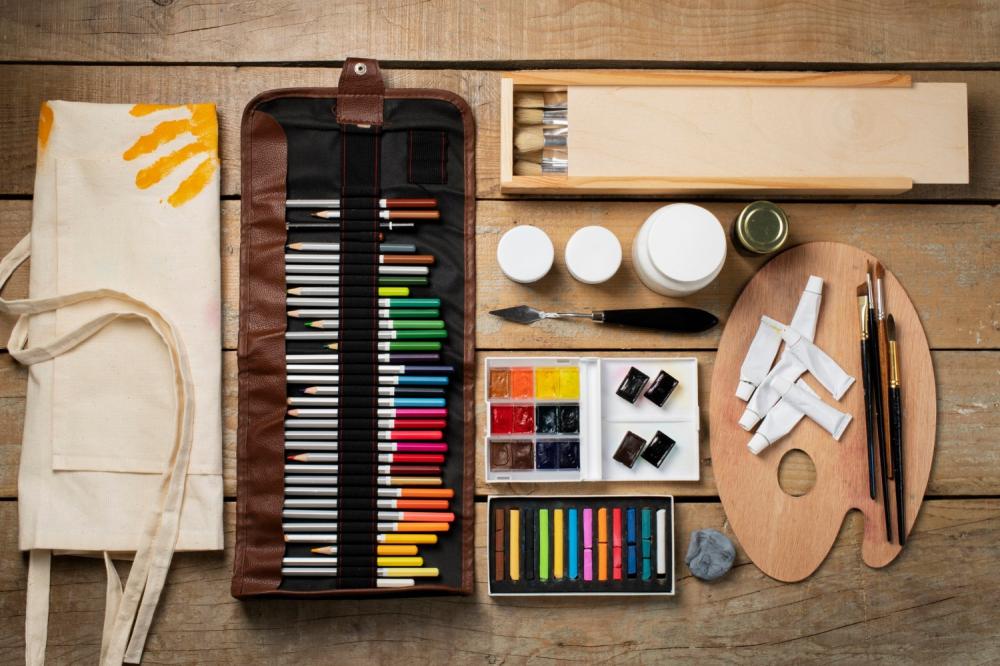
You spend good money on your art supplies, and the last thing you want is to reach for a brush or marker only to find it dried out, warped, or ruined. The way you store your materials matters just as much as how you use them. A little thought put into your art storage setup goes a long way.
Whether you work from a dedicated studio or a corner of your living room, the same rules apply: the right conditions protect your tools and keep your creative flow uninterrupted. Here is everything you need to know about organizing art supplies the right way.
Why Proper Art Supply Storage Matters
Poorly stored materials degrade faster than most people expect. Paints dry out, paper warps, brushes lose their shape, and pencils snap during sharpening. Investing in smart art storage ideas is not just about tidiness because it directly affects the quality of your work and the lifespan of your tools.
Efficient Tips For Storing Art Supplies
Good art storage does not need to be complicated. A few smart habits can make a significant difference in how long your supplies last and how easy they are to use.
Here are some key principles to keep in mind when organizing art supplies:
- Keep supplies away from heat and sunlight: High temperatures and direct UV exposure cause pigments to fade, mediums to separate, and adhesives to break d• own prematurely.
- Store supplies in clean, dust-free areas: Dust can contaminate paints, clog pen nibs, and settle into paper textures, affecting how your materials perform.
- Label and categorize materials for easy access: Clear labelling means less time hunting and more time creating, especially when you work with multiple mediums.
How to Store Art Supplies of Different Types
Not all art supplies have the same storage needs. What works for watercolors will not work for oil-based paints, and sketchbooks need different conditions than markers or pastels.
Here is a breakdown of how to handle the most common material types:
How to Store Paints Properly
Keep paint tubes and bottles upright in a cool, dry space away from direct light, and always seal lids tightly after every use. For acrylics specifically, a slightly humid environment helps prevent the paint from skinning over inside containers.
How to Store Paint Brushes
Never store wet brushes upright in a cup with bristles down because the water seeps into the ferrule and loosens the glue over time. Once dry, lay them flat or hang them bristle-down using a brush holder or roll.
How to Store Drawing Materials
Graphite pencils, charcoal sticks, and art supplies like pastels do best in a dedicated case or divided tray that prevents them from rolling into each other. Keeping them sorted by type and hardness makes your workflow faster and your materials last longer.
How to Store Sketchbooks and Paper
Paper is sensitive to moisture, so store sketchbooks and loose sheets flat in a dry area, away from walls that might attract condensation. For loose paper, a flat portfolio or folder keeps the sheets from curling, wrinkling, or picking up dust.
How to Store Craft and Mixed-Media Supplies
Mixed-media kits often have a mix of tools, adhesives, and embellishments that can easily become a tangled mess. The best approach is clear, compartmentalized containers that let you see everything at a glance without rummaging through a pile.
Common Art Storage Mistakes to Avoid
Even experienced artists fall into habits that slowly damage their supplies. These mistakes are easy to make and just as easy to fix once you know what to look for.
Watch out for these common slip-ups when managing your art storage:
- Leaving paint containers open: Even a few minutes of air exposure can begin the drying process, especially with acrylics and watercolor pans left out between sessions.
- Storing brushes without cleaning them: Dried paint in the bristles hardens the hairs and permanently alters the brush's shape, making it far less effective.
- Stacking paper incorrectly: Heavy objects on top of paper cause permanent creases and compression, which shows up on the surface when you paint or draw on it.
Art Supplies from Masterpieces
If you are building out your kit, Masterpieces carries a range of quality art supplies worth having on your shelf:
FOSKA Hexagonal Colored Wooden Pencils with Storage Package — 12 Pack

This colored wooden pencil set is solid, as it covers 12 core colors, with a 3.0 mm core that holds up well during sharpening and extended use. The hexagonal body sits comfortably in hand and stays put on the desk, which makes it a good pick for students and casual artists alike.
FOSKA Oily Color Pencil Set With Sharpener — 72 Pack

Designed for artists who want rich color payoff and smooth blending, this 72-piece oil-based pencil set delivers dense coverage and high saturation across a wide palette. It comes with a sharpener included, so you have everything you need to get started right out of the box.
FOSKA HB Pencil — 12 Pack

This is a clean, no-fuss HB pencil built for everyday writing, schoolwork, and light sketching. The balanced graphite core produces lines that are easy to read and erase, and the classic hexagonal shape makes it comfortable to hold through long sessions.
FOSKA Acrylic Colors 60ml — Set of 18

Eighteen 60ml bottles of smooth, easy-to-mix acrylic paint. These acrylic colors are well-suited for students, beginners, and hobby artists working on school projects or regular creative practice. The consistent texture makes color mixing straightforward and application even across different surfaces.
Conclusion
Storing your art supplies well is one of the simplest ways to protect your investment and keep your creative space running smoothly. From keeping brushes clean before storage to finding the right art storage ideas for different materials, small consistent habits make a real difference over time. Your supplies last longer, your workspace stays clear, and your creative process stays uninterrupted.
If you are looking to get your setup in order, Masterpieces has the tools to help. From organized pencil packs to metal desk organizers, everything is designed to make organizing art supplies straightforward and built to last. Browse the full range at Masterpieces and build a workspace that works as hard as you do.
FAQs
1. What is the best way to store art supplies?
The best way to store art supplies is in a cool, dry, and dust-free environment. Organizing materials by type and using dedicated storage containers helps protect them and makes them easier to access.
2. How should paint brushes be stored to prevent damage?
Paint brushes should be cleaned thoroughly after use, allowed to dry completely, and then stored flat or bristle-up to help maintain their shape and extend their lifespan.
3. Can art supplies be damaged by heat and sunlight?
Yes. Excessive heat and direct sunlight can cause paints to dry out, pigments to fade, adhesives to weaken, and paper to deteriorate over time.
4.What are some simple art storage ideas for small spaces?
Drawer organizers, desktop storage units, clear containers, and vertical shelving are effective art storage ideas that help maximize space while keeping supplies organized.
5. How should sketchbooks and art paper be stored?
Sketchbooks and loose paper should be stored flat in a dry location, away from moisture and direct sunlight, to prevent curling, warping, and discoloration.
6. Why is organizing art supplies important?
Organizing art supplies helps you find materials quickly, reduces clutter, prevents accidental damage, and ensures your tools remain in good condition for longer.